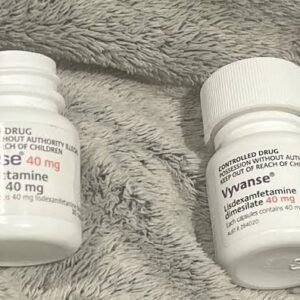
Vyvanse (Lisdexamfetamine)
Vyvanse (Lisdexamfetamine) is a prescription central nervous system stimulant containing lisdexamfetamine dimesylate as its active ingredient. It is used under medical supervision for the treatment of attention deficit hyperactivity disorder (ADHD) in adults and pediatric patients aged 6 years and older. It is also indicated for the treatment of moderate to severe binge-eating disorder in adults.
Lisdexamfetamine is a prodrug that is converted in the body to dextroamphetamine. As a stimulant medication, it affects neurotransmitter activity within the central nervous system and can influence attention, alertness, and impulse control.
Vyvanse for ADHD
Vyvanse (lisdexamfetamine) is prescribed as part of the management of ADHD. ADHD can affect attention, organization, impulse control, and activity levels. Treatment is individualized and may involve medication alongside behavioral, educational, or other supportive approaches.
The FDA-approved labeling identifies Vyvanse as a treatment option for ADHD in adults and children 6 years of age and older. It is not recommended for children younger than 6 because of increased exposure and a higher incidence of adverse reactions observed in that population.
Vyvanse for Binge-Eating Disorder
Vyvanse is also approved for adults with moderate to severe binge-eating disorder. The medication is not indicated for weight loss, and its safety and effectiveness for treating obesity have not been established.
Important Safety Information
Because Vyvanse (Lisdexamfetamine) is a central nervous system stimulant, it has a high potential for abuse, misuse, and addiction. Misuse or abuse of CNS stimulants can result in overdose and potentially fatal outcomes. Patients should be assessed for their risk of abuse and monitored appropriately during treatment.
Vyvanse can increase blood pressure and heart rate and should be used cautiously in individuals with relevant cardiovascular conditions. The current prescribing information also includes warnings concerning psychiatric reactions, peripheral vasculopathy, serotonin syndrome, and motor or verbal tics.
Common adverse reactions can include decreased appetite, anxiety, decreased weight, dizziness, dry mouth, irritability, insomnia, nausea, and vomiting in patients treated for ADHD. Adults receiving treatment for binge-eating disorder may experience dry mouth, insomnia, decreased appetite, increased heart rate, constipation, jitteriness, and anxiety.
Vyvanse should only be used according to a qualified healthcare professional’s prescription and instructions. It should not be shared with another person or used for purposes other than those for which it has been prescribed.
Product Information
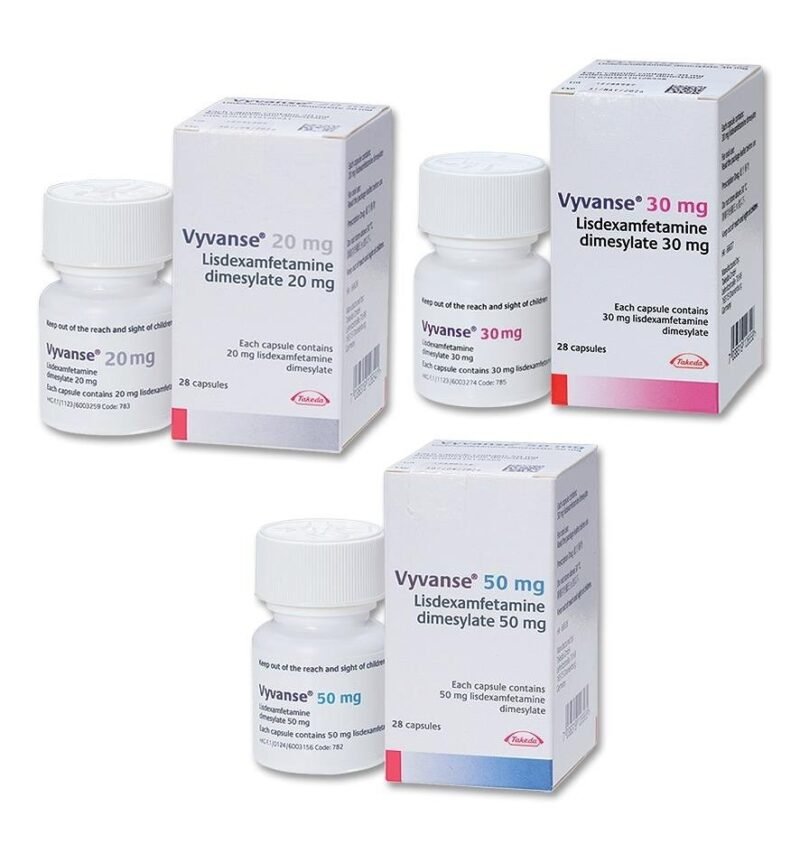
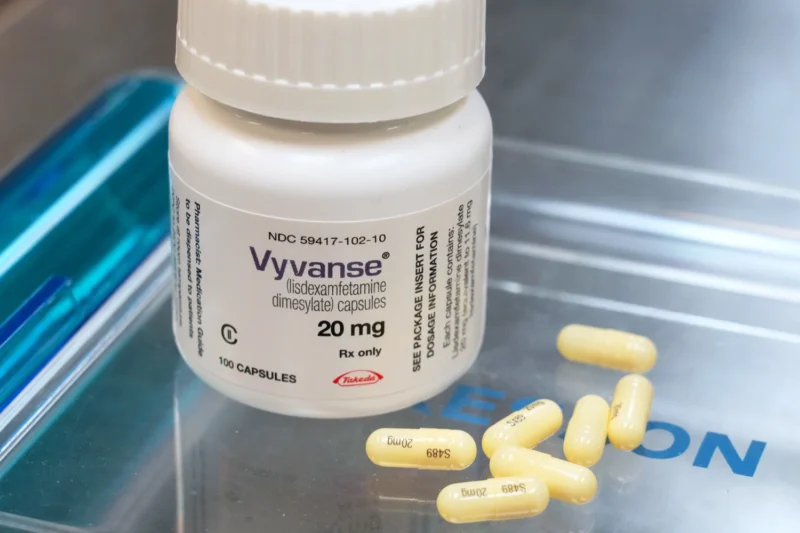
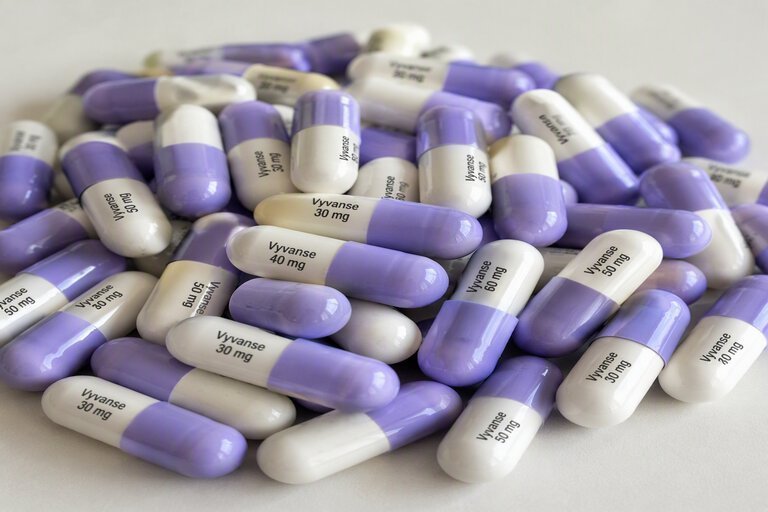
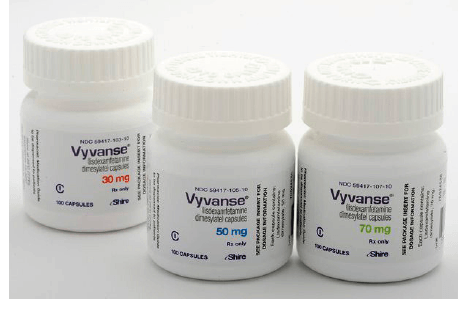
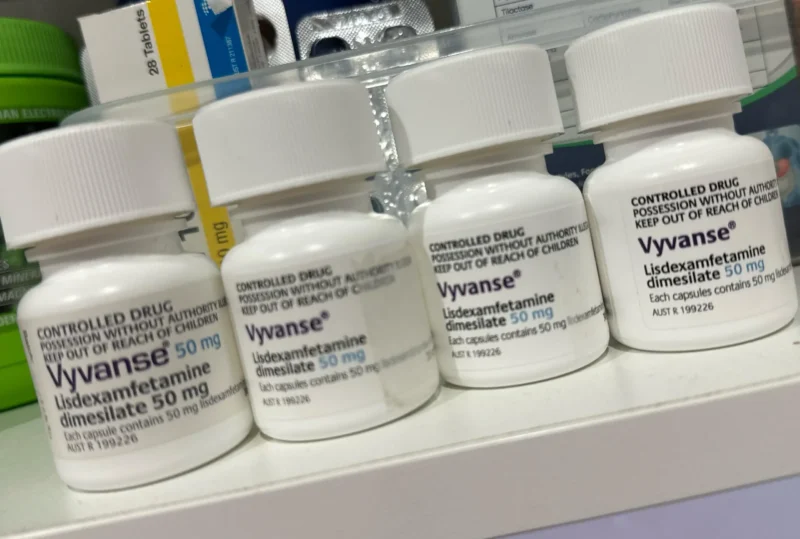
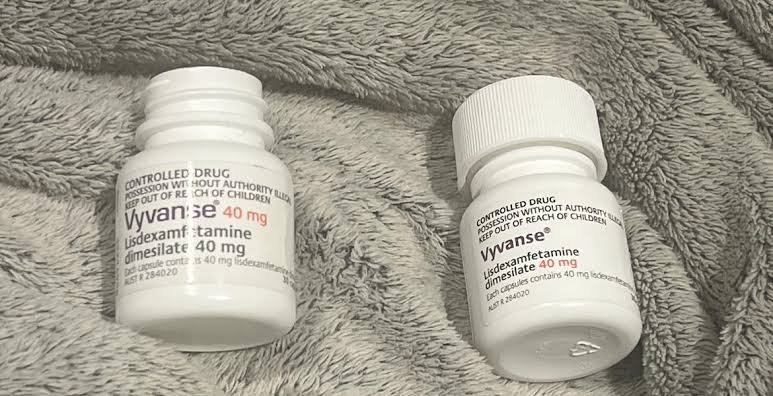
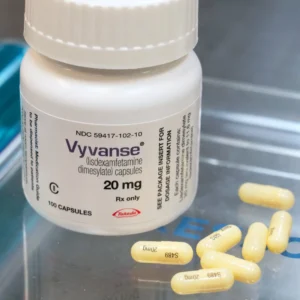
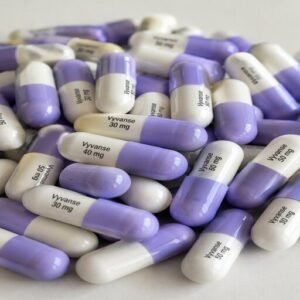
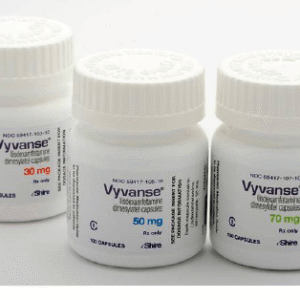
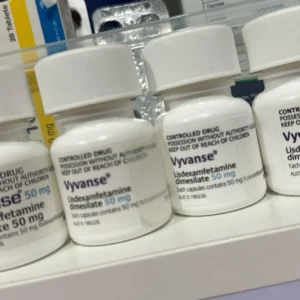
Vyvanse is available in multiple strengths and formulations, including capsules and chewable tablets. The currently approved U.S. labeling lists capsule strengths of 10 mg through 70 mg and chewable tablet strengths of 10 mg through 60 mg.
Vyvanse Lisdexamfetamine is a prescription medication with important safety considerations. Patients should review the complete prescribing information and discuss their medical history, current medications, and any concerns with their healthcare professional before treatment.



Reviews
There are no reviews yet.