
-
Email: info@chemicalsupplierhub.com
-
Phone: 1 214-997-2202
-
Email: info@chemicalsupplierhub.com
-
Phone: 1 214-997-2202
Stimulants
8 products
Sleeping Pills
7 products
Research Chemicals
10 products
Pain Killers
6 products
Non-Stimulant ADHD Medications
1 products
Cathinones
8 products
Filter
Showing all 8 results
-

Adderall 30mg Tablet
Price range: $280.00 through $1,760.00 Select options This product has multiple variants. The options may be chosen on the product page -
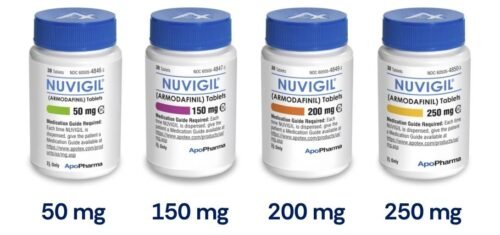
Armodafinil (Nuvigil)
Price range: $285.00 through $3,685.00 Select options This product has multiple variants. The options may be chosen on the product page -
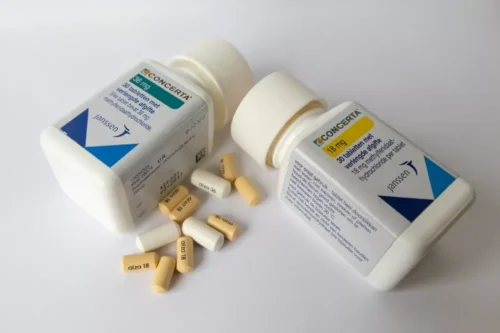
Concerta (Extended-Release Methylphenidate)
Price range: $265.00 through $3,375.00 Select options This product has multiple variants. The options may be chosen on the product page -

Crystal Meth (Methamphetamine)
Price range: $175.00 through $875.00 Select options This product has multiple variants. The options may be chosen on the product page -
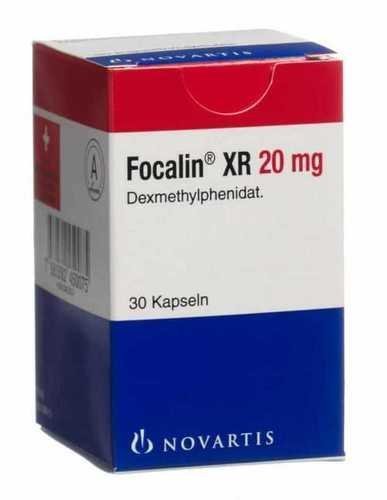
Focalin (Dexmethylphenidate)
Price range: $195.00 through $2,485.00 Select options This product has multiple variants. The options may be chosen on the product page -
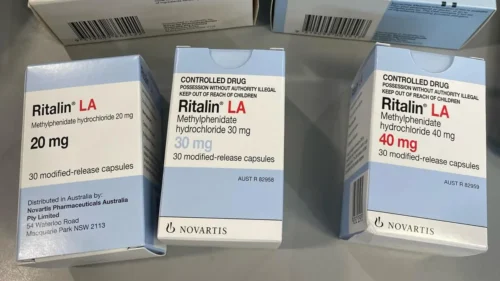
Ritalin (Methylphenidate)
Price range: $195.00 through $2,635.00 Select options This product has multiple variants. The options may be chosen on the product page -
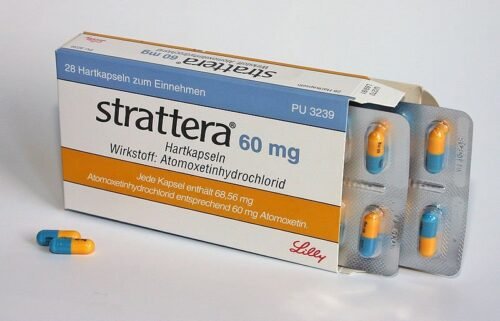
Strattera (Atomoxetine)
Price range: $215.00 through $2,685.00 Select options This product has multiple variants. The options may be chosen on the product page -
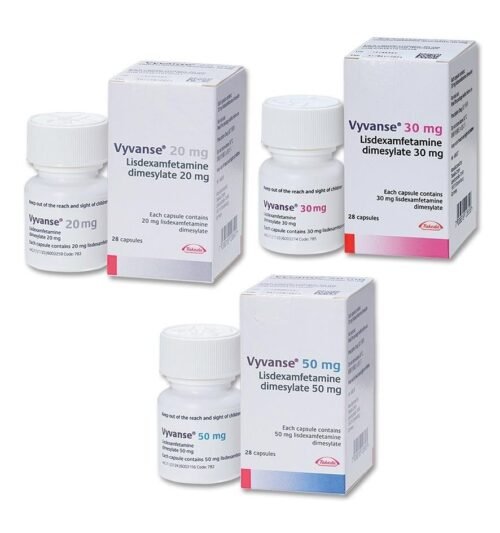
Vyvanse (Lisdexamfetamine)
Price range: $250.00 through $2,525.00 Select options This product has multiple variants. The options may be chosen on the product page
Stimulants
Our Stimulants category features a selection of pharmaceutical products that act on the central nervous system and can influence alertness, attention, concentration, and activity levels. These medications include different stimulant classes with distinct mechanisms of action, formulations, and therapeutic applications.
Stimulant medications are used in the treatment of several medical conditions, most commonly attention deficit hyperactivity disorder (ADHD) and certain sleep-related disorders. Different products have different pharmacological properties, durations of action, and prescribing requirements.
Stimulant Medications
Stimulant medications affect activity within the central nervous system by influencing neurotransmitter systems involved in attention, alertness, motivation, and behavioral regulation.
Common pharmaceutical stimulant classes include methylphenidate-based medications and amphetamine-based medications. Other central nervous system agents may promote wakefulness through different mechanisms and are sometimes considered separately from traditional stimulants.
Types of Stimulants
The Stimulants category may include different pharmaceutical products and medication groups, including:
- Methylphenidate-based medications
- Amphetamine-based medications
- Dexmethylphenidate medications
- Prescription wakefulness-promoting agents
- Other central nervous system stimulant medications
Products within these groups can differ significantly in their mechanisms, formulations, duration of action, and clinical applications. Immediate-release and extended-release formulations may also provide different patterns of medication activity.
Stimulants for ADHD
Several prescription stimulants are used in the management of attention deficit hyperactivity disorder. ADHD can affect attention, concentration, impulse control, organization, and activity levels.
Methylphenidate and amphetamine-based medications can influence dopamine and norepinephrine activity in the central nervous system. Treatment is individualized according to factors such as age, symptoms, medical history, response to treatment, and other medications being used.
Medication may be combined with behavioral, educational, psychological, or other supportive approaches depending on the individual's needs.
Wakefulness and Alertness Medications
Certain prescription medications are used to promote wakefulness in people experiencing excessive sleepiness associated with specific sleep-related disorders.
These medications can have pharmacological characteristics that differ from traditional ADHD stimulants. Their appropriate use depends on the underlying condition and should be determined by a qualified healthcare professional.
Extended-Release Stimulants
Some stimulant medications are available in extended-release formulations designed to release their active ingredients over a longer period.
Extended-release products can differ from immediate-release formulations in their release mechanisms, duration of action, and prescribing instructions. Different formulations should therefore be used according to the specific product information rather than assumed to be interchangeable.
Safety Information
Prescription stimulants can increase heart rate and blood pressure and may cause adverse effects such as decreased appetite, difficulty sleeping, headache, nervousness, gastrointestinal discomfort, or changes in mood and behavior.
Many stimulant medications have potential for abuse, misuse, and dependence. They should only be used according to the prescribing information for the specific medication and should never be shared with another person.
Stimulants may also interact with other medications and substances. Patients should provide their healthcare professional with a complete list of prescription medicines, non-prescription products, and supplements they are taking.
The information provided in this category is intended to help users understand different Stimulants, their pharmaceutical classes, formulations, and general characteristics. Always consult a qualified healthcare professional for diagnosis, treatment decisions, medication selection, and individualized medical advice.
Category Highlights
- Prescription central nervous system stimulant medications
- Methylphenidate and amphetamine-based products
- ADHD medications and related treatments
- Wakefulness-promoting pharmaceutical products
- Immediate-release and extended-release formulations
- Information on stimulant properties, interactions, and safety

Secure Payments
Tellus gravida ipsum aut facilisis tempus at et aliquam estsem.

Free Shipping
Non pulvinar aenean ultrices lectus vitae imperdiet vulputate a eu.

Gifts & Sales
Aliquet ullamcorper leo mi vel sit pretium euismod eget libero.

24/7 Support
Nullam iaculis vestibulum arcu id urnain pellentesque volutpat quis.

Important updates waiting for you!
Subscribe and grab 20% OFF!