
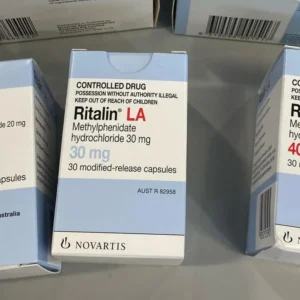

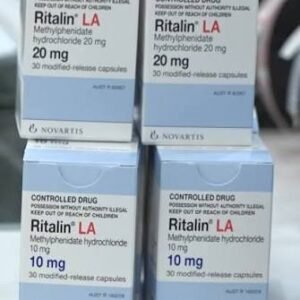

Ritalin (Methylphenidate)
Ritalin (Methylphenidate) is a prescription central nervous system stimulant used primarily in the treatment of attention deficit hyperactivity disorder (ADHD). Methylphenidate affects certain chemicals in the brain and nervous system that contribute to attention, impulse control, and activity levels.
Ritalin belongs to a class of medicines known as central nervous system stimulants. It is available in different formulations and strengths, and the appropriate product and dosage depend on the patient’s age, medical condition, response to treatment, and other medications being taken.
Ritalin for ADHD
Ritalin (methylphenidate) is used as part of a comprehensive treatment program for ADHD. ADHD can affect concentration, attention, impulse control, and behavior. Medication may be combined with behavioral, educational, and other supportive approaches depending on the individual’s needs.
Methylphenidate works by influencing neurotransmitter activity in the brain, particularly pathways involving dopamine and norepinephrine. This activity can help improve attention and reduce certain symptoms associated with ADHD.
Ritalin Formulations
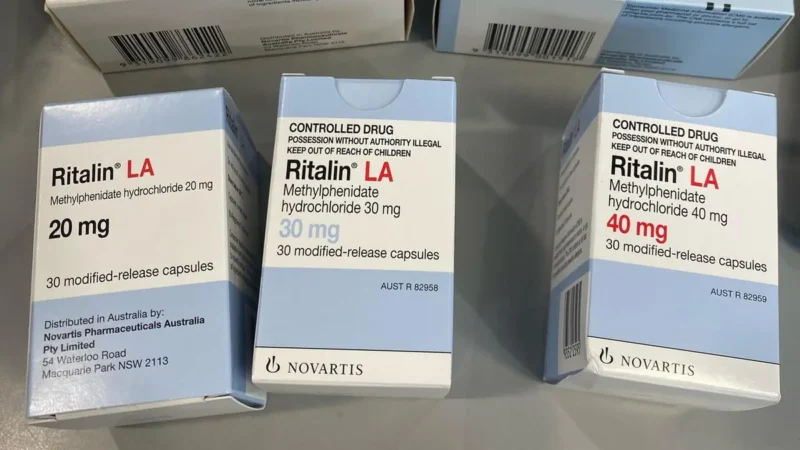
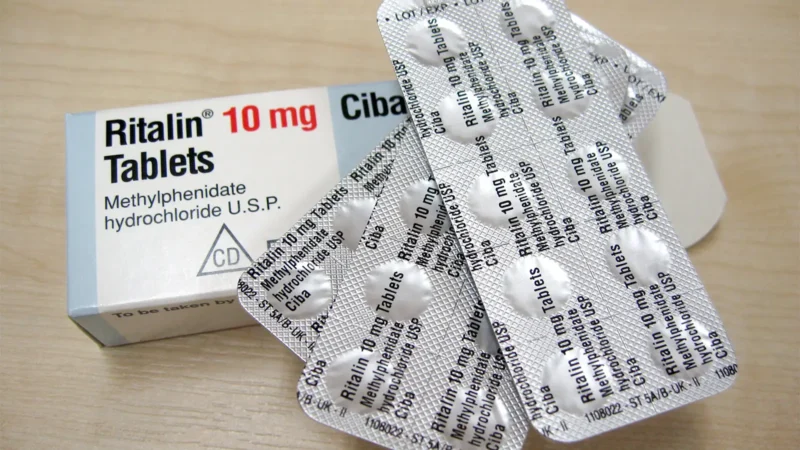
Ritalin is available in different formulations designed to provide different patterns of medication release. Immediate-release tablets are generally shorter-acting, while extended-release methylphenidate products are formulated to provide medication over a longer period.
Because different methylphenidate formulations are not necessarily interchangeable on a milligram-for-milligram basis, patients should use the specific formulation prescribed by their healthcare professional.
Important Safety Information
Because Ritalin (Methylphenidate) is a central nervous system stimulant, it has a potential for abuse, misuse, and dependence. It should only be used according to a healthcare professional’s prescription and should never be shared with another person.
Methylphenidate can increase blood pressure and heart rate. Patients with cardiovascular disease, significant heart abnormalities, or other relevant medical conditions should discuss their medical history with their healthcare professional before treatment.
Ritalin may also cause nervousness, difficulty sleeping, decreased appetite, abdominal discomfort, headache, nausea, or other adverse reactions. Stimulant medications can also produce psychiatric effects in susceptible individuals, so unusual changes in mood, behavior, or perception should be reported to a healthcare professional.
Ritalin may interact with other medicines and substances. Patients should provide their doctor and pharmacist with a complete list of prescription medicines, non-prescription products, and supplements they are taking before beginning treatment.
Treatment should be followed exactly as prescribed. The appropriate strength, formulation, and dosing schedule depend on individual clinical factors and should be determined by a qualified healthcare professional.
Product Information
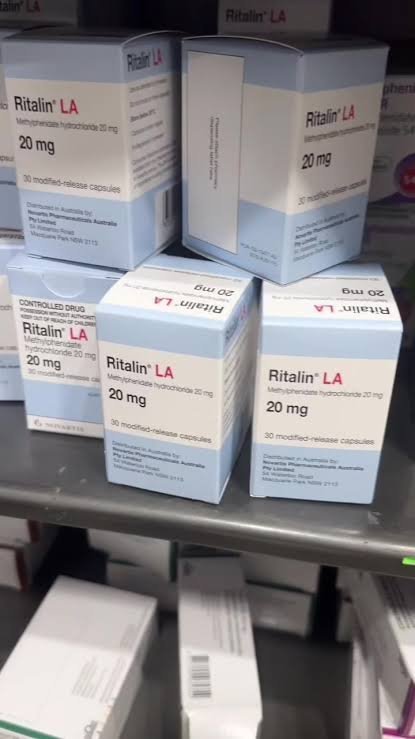
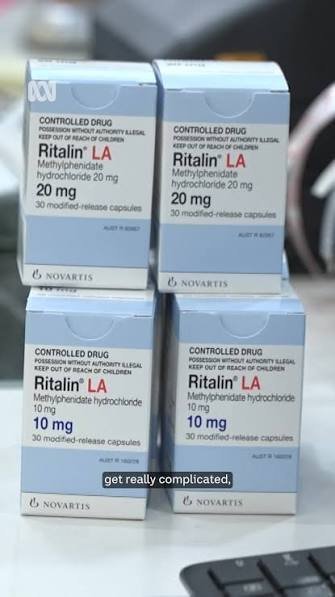
Ritalin (Methylphenidate) is a prescription stimulant medication available in specific strengths and formulations. Methylphenidate products may differ in release characteristics, duration of action, and prescribing instructions.
Ritalin is not appropriate for everyone. Patients should review the medication information supplied with their specific formulation and discuss potential benefits, risks, interactions, and contraindications with their healthcare professional before treatment.




Reviews
There are no reviews yet.